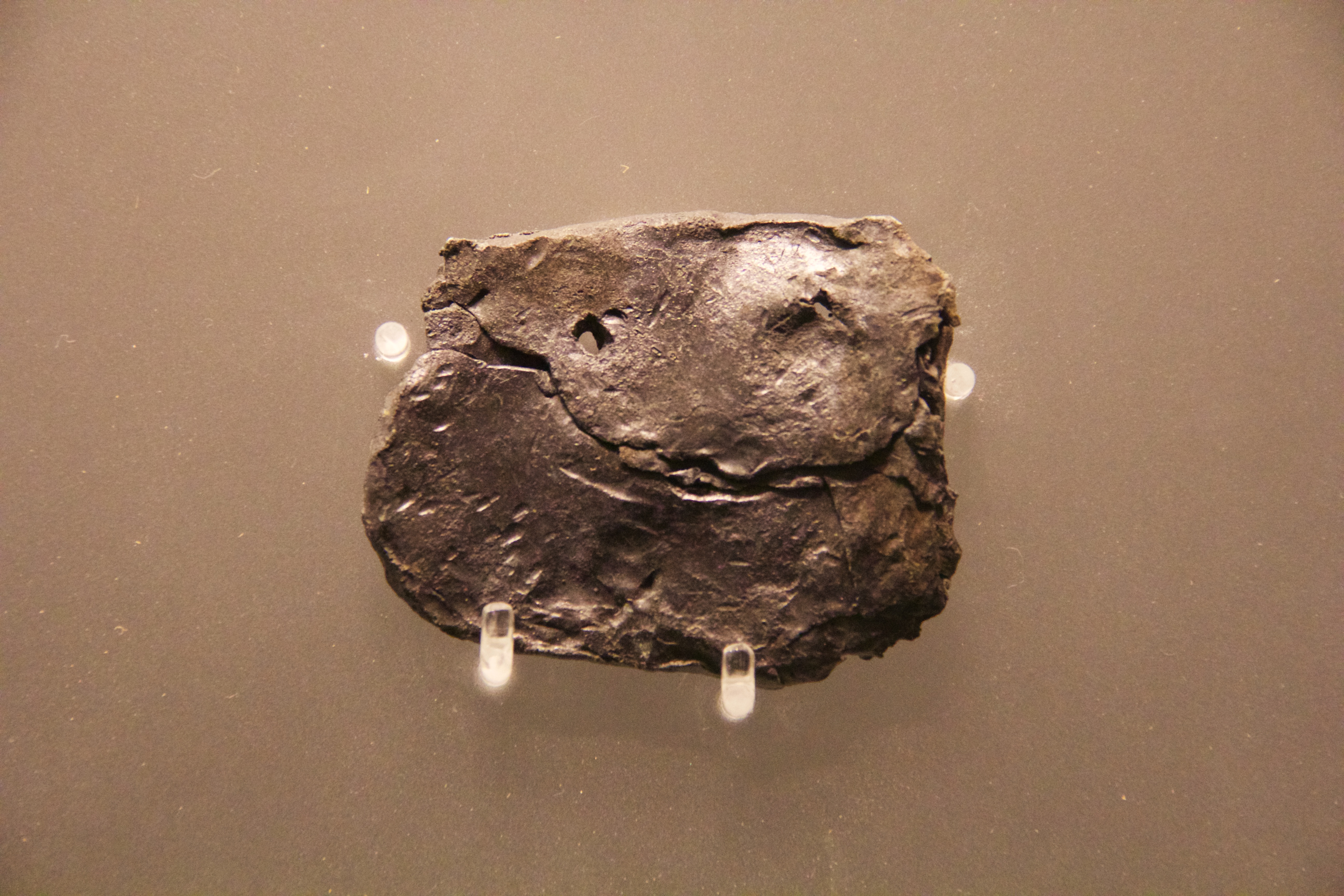
Lead curse tablet from Roman London, British Museum 1934.11-5.1
Research / Ancient ritual practice

Greek curse
tablets.

Objects, inscriptions, and the places where ancient rituals unfolded.

An interactive research atlas exploring continuity and local adaptation in curse-tablet practice across the ancient Mediterranean and Roman provinces.

Explore the evidence
The central argument
Research context / 2026

One practice.
Many local forms.

Curse tablets were not simply texts. They were objects made, altered, and deliberately left in particular places.

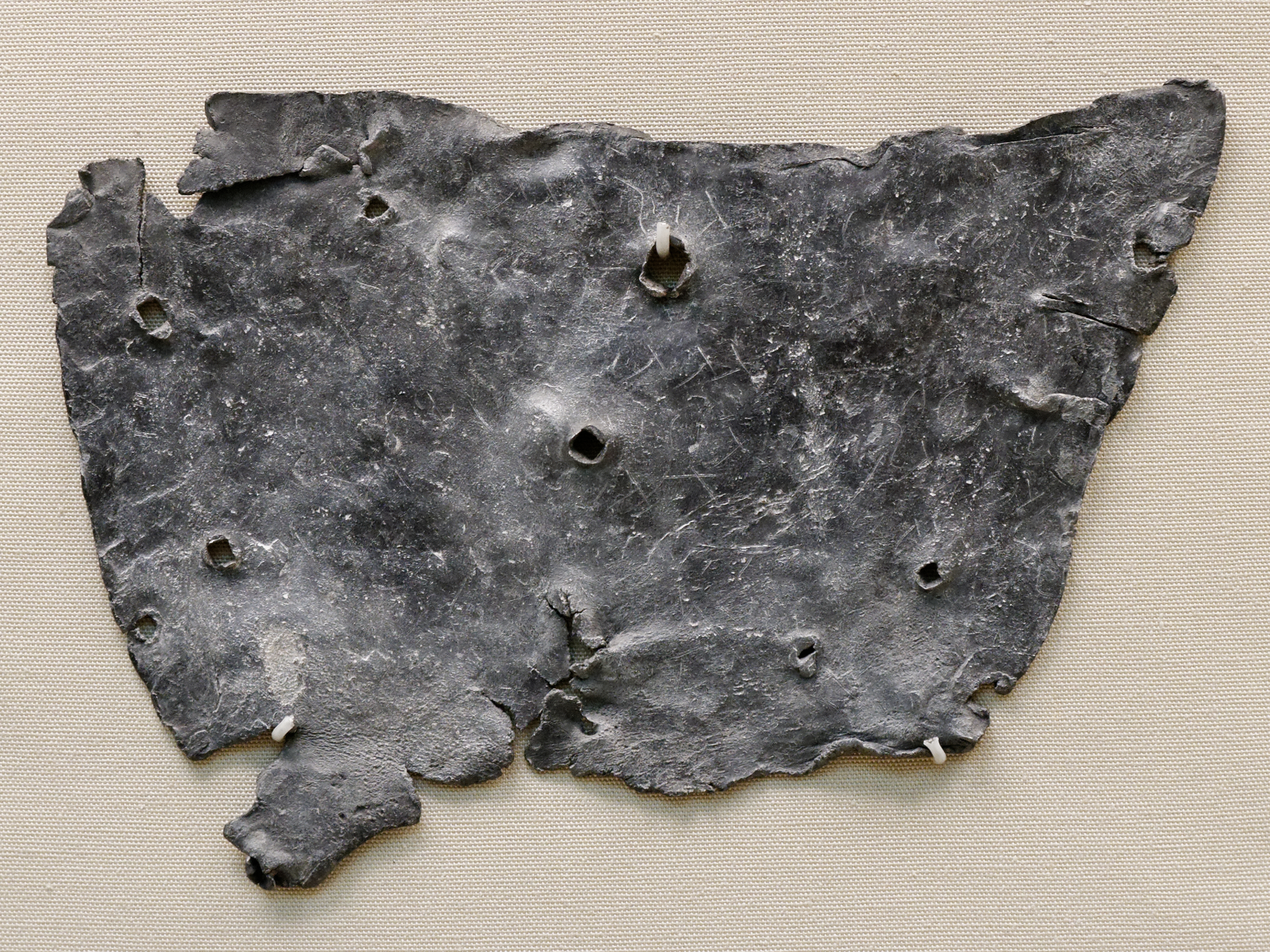
The ancient Greek katadesmoi and the tablets now commonly called defixiones are often thin sheets of lead inscribed to influence another person through supernatural means. Folding, rolling, piercing and deposition were part of the practice, not incidental details.

Across Sicily, Attica, Roman North Africa, Britain and Mainz, familiar material techniques appear in notably different social settings. The comparison asks what those local contexts explain—and what the surviving evidence cannot tell us.

Chronology alone does not account for the variation. Local disputes, ritual settings and survival shape the record.

01 / Evidence by place

An atlas of adaptation.

Choose a location on the map or use the region selectors. The evidence panel explains both what is known and where interpretation remains uncertain.

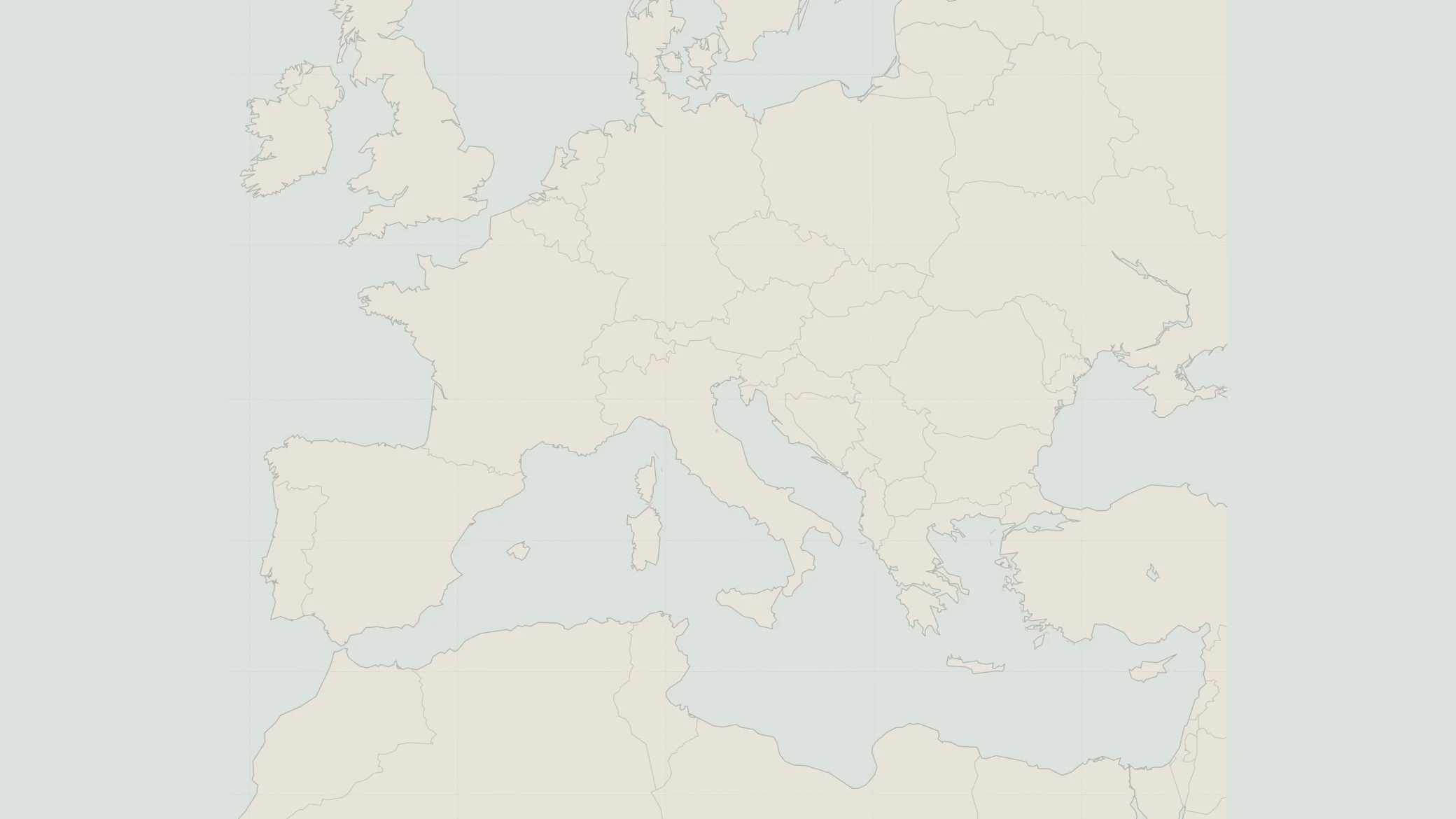
Map of western Europe and the Mediterranean showing the five research regions
Approximate locations of selected research areas, not a map of all known tablets. Map base drawn from Natural Earth boundary data. Locations are illustrative of the case-study regions.
01 / 05   SICILY

Sicily.

Late sixth–fifth centuries BCE

Complex from the beginning.

At Himera, about forty of fifty-four curse tablets were bent together and secured with an iron nail. A Gela lead sheet carried a cattle transaction on one side and a curse against rival performers on the other.

Interpretive limitThe earliest surviving finds do not establish where the practice began. Exact motives and spoken actions cannot always be recovered.
02 / Time

A long practice.
Several histories.

Select any bar to revisit the corresponding evidence. Bars represent the approximate dates of selected case studies, not the full duration of the practice in a region.

600 BCE400 BCE200 BCE1 CE200 CE400 CE
Selected / Sicily

The earliest surviving examples are already materially and linguistically complex.

Approximate date ranges, based on the selected case studies in the accompanying essay. The original figure and full references appear in the essay.

03 / Material evidence

A tablet was an action.

Writing, deliberate handling and deposition leave different traces. These objects illustrate why the material evidence matters as much as the inscribed words.

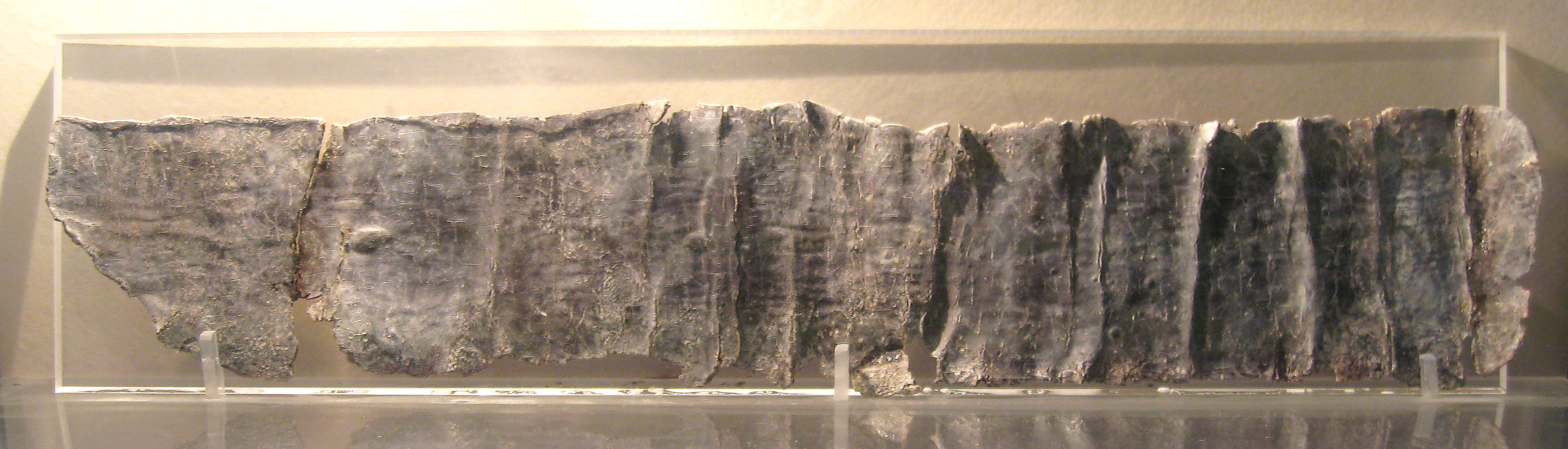
Folded lead curse tablet displayed in the Roman Baths at Bath
02 / Fold

The handled object.

A folded tablet displayed at the Roman Baths shows how lead could be deliberately manipulated before deposition. It is a comparative example, not an identification of any particular named petitioner’s tablet.

Photograph: Mike Peel / Wikimedia Commons (CC BY-SA 4.0)
04 / Across regions

What changed, and why?

Compare the evidence by local dispute, object treatment and production. The differences resist a simple history of increasing ritual complexity.

A curse often followed the contours of a local conflict: litigation, trade, athletic competition, property loss or personal rivalry.

05 / Accompanying essay
Research writing / 2026
The research in full

Binding Across
Borders.

Continuity, Change, and Local Adaptation in Ancient Curse Tablet Practice

This essay develops the central argument using case studies from Sicily, Attica, Roman North Africa, Mainz and Britannia. It distinguishes material observations from more tentative interpretations and includes the chronology, regional map and complete bibliography.

Written in the context of my archaeology studies at the University of Oxford's Department for Continuing Education. This is student research, not a peer-reviewed publication.

06 / Notes & references

Reading
the record.

Sources, figures & photographs

This page is a presentation of selected arguments and examples from Binding Across Borders. Place markers are approximate and are not intended as individual artifact provenances. The figure in the full essay gives the original mapped case-study locations and inset maps of Sicily and Attica. The regional chronology is intentionally approximate.

Historical claims and selected chronologies draw on the works below. For page-specific references and the full scholarly bibliography, consult the essay. Photographs are identified as comparative examples where they are not objects from a principal case study.

  • Lamont, J. L. (2023). In Blood and Ashes: Curse Tablets and Binding Spells in Ancient Greece. Oxford University Press.
  • Curbera, J. and Lamont, J. L. (2023). ‘Classical and Hellenistic Curse Tablets from the Athenian Agora.’ Hesperia 92(2), 311–353.
  • De Blasio, T. S. (2024). ‘The Use of Lists in Curse Practice.’ Sapiens ubique civis 5, 53–72.
  • Urbanová, D. (2017). ‘Latin Curse Texts: Mediterranean Tradition and Local Diversity.’ Acta Antiqua 57, 57–82.
  • Sánchez Natalías, C. (2022). Sylloge of Defixiones from the Roman West. BAR Publishing.
  • Franek, J. and Urbanová, D. (2019). Work on the Mainz Isis and Mater Magna texts, Philologia Classica 14(2), 177–207.
  • Map base. Natural Earth coastline and country geometry; designed for this research presentation.
  • Roman London hero image. © Marie-Lan Nguyen / Wikimedia Commons, CC BY 2.5. British Museum 1934.11-5.1; cropped/monochrome display.
  • Pella tablet. Filos96 / Wikimedia Commons, retouched by AM; public domain. Displayed with a monochrome treatment.
  • Bath tablet. Mike Peel / Wikimedia Commons, CC BY-SA 4.0. Displayed with a monochrome treatment.